In the fast-paced world of texting, social media, and online gaming, abbreviations have become part of our everyday communication. One such abbreviation you may encounter is smn.
If you’ve seen it in WhatsApp chats, Twitter threads, or even casual Facebook comments, you might be wondering: what does it actually mean?
Understanding terms like smn is essential because misinterpreting them can lead to confusion or awkward interactions. If ayou’re chatting with friends, networking professionally, or interacting on dating apps, knowing these shorthand expressions helps you communicate clearly and naturally.
In Spanish-speaking communities, smn has become more than just letters it’s a way of expressing emotions, reactions, or casual sentiments quickly. By learning its meaning, origin, and usage, you’ll not only decode messages but also participate more effectively in online conversations.
Definition & Meaning
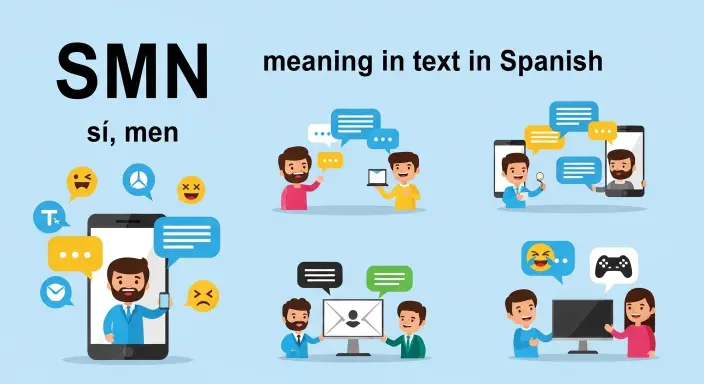
SMN is an abbreviation commonly used in texting and online messaging. In Spanish, it usually stands for sí, men or sí, men, which can be loosely translated to yes, man in English. It is a casual and friendly way to agree, acknowledge, or react to something someone said.
Examples in Context
- Texting with friends:
- Juan: ¿Vamos al cine esta noche?
- Ana: SMN 😎 (Yes, man!)
- Juan: ¿Vamos al cine esta noche?
- Social media comment:
- Post: El nuevo álbum de Bad Bunny está 🔥
- Comment: SMN, totalmente de acuerdo (Yes, totally agree)
- Post: El nuevo álbum de Bad Bunny está 🔥
- Gaming chat:
- Player1: Necesitamos cubrir la base ahora
- Player2: SMN, voy en camino (Yes, on my way)
- Player1: Necesitamos cubrir la base ahora
In all these cases, smn is a quick, informal way to express agreement or acknowledgment. It’s typically used among friends, peers, or casual online communities.
Background & History
Abbreviations like smn emerged from the need to type quickly, especially on mobile devices. In Spanish-speaking countries, texting culture adopted English-influenced shorthand, blending it with Spanish phrases.
Originally, SMN gained popularity in youth culture and online gaming forums. It allowed users to respond promptly without typing long sentences. Over time, social media platforms like Twitter, Instagram, and TikTok helped spread these abbreviations.
Today, smn is not limited to one country or region; it’s understood in various Spanish-speaking communities. While younger generations use it most, older users are increasingly familiar with it due to exposure on platforms like WhatsApp and Messenger.
Usage in Various Contexts
SMN is versatile. Here’s how it appears in different settings:
- Texting quick agreement:
- Carlos: Terminaste el proyecto?
- Lucía: SMN, listo y entregado
- Carlos: Terminaste el proyecto?
- Social Media casual comment:
- Tweet: El partido estuvo increíble!
- Reply: SMN, qué final!
- Tweet: El partido estuvo increíble!
- Gaming fast coordination:
- Gamer1: Vamos a atacar la torre
- Gamer2: SMN, te sigo
- Gamer1: Vamos a atacar la torre
- Professional/Work Chat (informal teams):
- Team Lead: ¿Listos para la reunión?
- Colleague: SMN, conectados
- Team Lead: ¿Listos para la reunión?
Common Misconceptions & Clarifications
Some may think SMN stands for Saturday Morning News or other English phrases. In Spanish text messaging, context is key it almost always reflects agreement or acknowledgment.
It’s also sometimes misinterpreted as too casual or lazy typing. While it’s informal, it’s perfectly acceptable among friends or younger audiences. Avoid using it in highly professional emails unless the tone allows for casual shorthand.
Similar Terms & Alternatives
Here are some alternatives to SMN:
| Term | Meaning | Usage Example |
| Ok | Agreement | Ok, entendido |
| Sip | Yes, casual | ¿Vienes? Sip |
| Claro | Sure | Claro, me uno |
| Vale | Okay/Alright | Vale, nos vemos allí |
| Jajaja | Expresses laughter/agreement | SMN jajaja, exacto |
These alternatives vary in formality and context.
How to Respond to This Term
Responding to SMN depends on tone:
- Casual:
- Friend: SMN 😎
- You: ¡Genial! 😄
- Friend: SMN 😎
- Funny:
- Friend: SMN
- You: SMN y con estilo 😏
- Friend: SMN
- Professional (informal work chat):
- Colleague: SMN, revisado
- You: Perfecto, gracias por confirmar
- Colleague: SMN, revisado
- Privacy-conscious / neutral:
- Friend: SMN
- You: 👍 or Recibido
- Friend: SMN
Regional or Cultural Differences
While SMN is most common in Latin American Spanish, its usage can differ slightly by region:
- Mexico: Often casual, used among friends in chats.
- Spain: Less common; people might use ok or vale more often.
- Argentina: May appear in gaming communities but not everyday texting.
The meaning remains the same, but frequency and alternative phrases vary by region.
Comparison with Similar Terms
| Term | Language | Formality | Context |
| SMN | Spanish | Informal | Texting, social media, gaming |
| Ok | English/Spanish | Neutral | All contexts |
| Claro | Spanish | Casual | Conversation or texting |
| Sip | Spanish | Very casual | Friends or peers |
| Vale | Spanish | Casual | Spain, informal chats |
Usage in Online Communities & Dating Apps
On platforms like Tinder, Instagram, and gaming forums, SMN signals agreement or interest.
Example on Tinder:
- Match: ¿Te gusta el café?
- You: SMN, adoro el café ☕
Tips:
- Use it when casual, friendly, or humorous tone fits.
- Avoid overusing it; mix with full sentences to seem more engaging.
Hidden or Offensive Meanings
Generally, SMN is harmless. Context matters if paired with sarcastic emojis, it might imply passive-aggressiveness. Always consider tone, relationship, and context before interpreting.
Suitability for Professional Communication
SMN is mostly informal. For work emails or official correspondence, use alternatives:
- Confirmed
- Understood
- Acknowledged
Only use SMN in professional chats if the team culture is casual and friendly.
FAQs:
- What does SMN mean in Spanish texting?
- It usually stands for sí, men, meaning yes, man or casual agreement.
- It usually stands for sí, men, meaning yes, man or casual agreement.
- Is SMN formal?
- No, it’s informal and mainly used among friends or casual online chats.
- No, it’s informal and mainly used among friends or casual online chats.
- Can SMN be misinterpreted?
- Rarely, but context and tone can change perception slightly.
- Rarely, but context and tone can change perception slightly.
- Where is SMN most commonly used?
- Latin American Spanish, social media, gaming, and texting.
- Latin American Spanish, social media, gaming, and texting.
- What are good alternatives for work?
- Confirmed, Understood, or Acknowledged.
- Confirmed, Understood, or Acknowledged.
- Can SMN be used on dating apps?
- Yes, to show agreement or mutual interest casually.
- Yes, to show agreement or mutual interest casually.
- Does SMN have offensive meanings?
- Generally, no. Tone may affect interpretation but it’s safe in most contexts.
- Generally, no. Tone may affect interpretation but it’s safe in most contexts.
Conclusion:
Understanding SMN in Spanish texting helps you navigate casual conversations, social media, and gaming chats confidently.
It’s a shorthand that communicates agreement, acknowledgment, or enthusiasm quickly.
While informal, knowing its meaning and usage prevents misunderstandings and helps you connect naturally with peers online.
Remember, context, tone, and audience matter. Use it wisely, and it can make your digital communication smooth and fun.