Have you ever seen TYTT in a message and felt confused? You are not alone.
Texting is full of short forms. People use them to save time. They also use them to sound cool or casual. From social media to gaming chats, short words are everywhere.
TYTT is one of those short forms. It may look simple. But its meaning can change based on context. That is why it is important to understand it.
If you do not know what it means, you may reply the wrong way. That can cause confusion. Or even make things awkward.
In this guide, you will learn:
- What TYTT means
- Where people use it
- How to reply to it
- When not to use it
Let’s break it down in simple words.
Definition & Meaning of TYTT
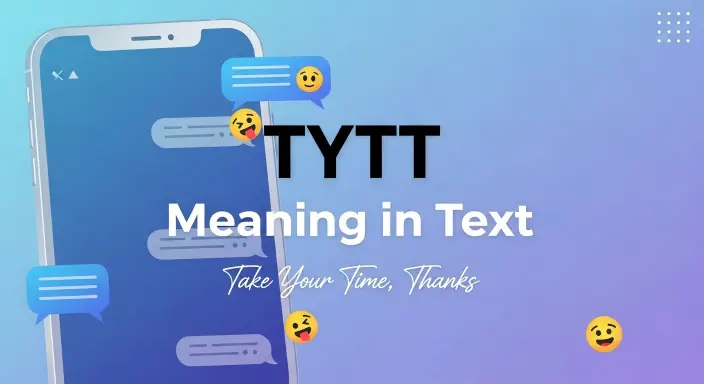
TYTT usually stands for:
Take Your Time, Thanks.
It is a polite and friendly phrase.
People use it when they want someone to respond, but there is no hurry.
Simple Breakdown
- TY = Take Your
- TT = Time, Thanks
It shows patience and kindness.
Example in Text
Friend: I’ll send the file tonight.
You: TYTT 😊
This means: No rush. Take your time.
Another Example
Colleague: Sorry, I need one more day.
You: TYTT. No problem.
Here, it sounds calm and professional (but still casual).
Other Possible Meanings
Sometimes, people may use TYTT differently. Rarely, it can mean:
- Tell You The Truth (though this is less common)
Example:
Friend: TYTT, I didn’t like that movie.
But this meaning is not very popular. Most people use TYTT as Take Your Time, Thanks.
Context is key.
Background & History
Text slang became popular in the early 2000s. It grew fast with:
- SMS texting
- Online forums
- Social media apps
Platforms like Facebook and Twitter (now called X) made short forms trendy.
People wanted to type faster. Phone keyboards were small. So short forms like:
- LOL
- BRB
- TTYL
became common.
TYTT followed the same trend.
It is not as old as LOL. But it fits modern texting culture. Today, it appears in:
- WhatsApp chats
- Instagram DMs
- Gaming chats
- Work Slack messages
As online talk grows, new short forms appear. Some stay popular. Some fade away.
TYTT is still niche. But it is growing in casual digital talk.
Usage in Various Contexts
1. Texting
Used between friends.
Sara: I’ll reply after dinner.
Ali: TYTT ❤️
It sounds warm and relaxed.
2. Social Media
On Instagram or Snapchat:
Follower: I’ll send you details soon.
You: TYTT!
It keeps things friendly.
3. Gaming
In online games:
Teammate: Wait, I need to upgrade.
You: TYTT, we’ll cover you.
Here, it shows teamwork and patience.
4. Casual Work Chats
On Slack or email:
Manager: Review may take 2 days.
Employee: TYTT. Appreciate it.
It works — but only in informal workplaces.
Common Misconceptions & Clarifications
❌ Misconception 1: It Means Thank You Too
Some people think TYTT = Thank You Too.
That is not correct in most cases.
❌ Misconception 2: It Is Rude
Some may feel it sounds cold.
But tone matters.
Compare:
TYTT.
vs
TYTT 😊 Thanks again!
The second feels warmer.
❌ Misconception 3: It Is Formal
It is not fully professional. Avoid it in serious business emails.
Instead of:
TYTT.
Write:
Please take your time. Thank you.
Similar Terms & Alternatives
Here are similar phrases:
| Term | Meaning | Tone |
| TTYL | Talk To You Later | Casual |
| TY | Thank You | Friendly |
| Np | No problem | Relaxed |
| Take your time | Full phrase | Polite |
| No rush | No hurry | Casual |
Example Comparison:
- TYTT = Polite + Patient
- No rush = Very casual
- Take your time = Clear and safe
How to Respond to TYTT
If someone sends you TYTT, here’s how you can reply.
1. Casual Reply
Thanks! I’ll update you soon.
2. Funny Reply
Cool, I’ll take my sweet time then 😄
3. Professional Reply
Thank you for your patience. I appreciate it.
4. Privacy-Conscious Reply
Thanks. I’ll share details when ready.
Choose based on the situation.
Regional or Cultural Differences
TYTT is mostly used in English-speaking chats.
It may appear in:
- USA
- UK
- Canada
- Pakistan (among young users)
In South Asia, many users mix English and Urdu slang. But TYTT is still mostly English-based.
On global platforms like TikTok, slang spreads fast. So usage can grow across regions.
Not everyone understands it. Older people may prefer full words.
Comparison with Similar Terms
| Expression | Full Meaning | Level of Formality | Common Use |
| TYTT | Take Your Time, Thanks | Semi-casual | Text, DMs |
| TTYL | Talk To You Later | Casual | Friends |
| BRB | Be Right Back | Very Casual | Gaming |
| ASAP | As Soon As Possible | Semi-formal | Work |
Key Difference:
TYTT shows patience. ASAP shows urgency.
Usage in Online Communities & Dating Apps
On dating apps like Tinder:
Match: Sorry, busy day.
You: TYTT 😊
It shows you are relaxed. That is attractive.
In gaming communities or Discord servers, it keeps team energy calm.
On platforms like Reddit:
It may appear in comment threads to reduce pressure.
Tip:
- Use emoji for warmth.
- Avoid it in serious talks.
- Make sure the other person understands slang.
Hidden or Offensive Meanings
TYTT is not offensive.
But tone matters.
If written coldly:
TYTT.
It may sound passive-aggressive.
Context decides meaning.
Also, because it is not widely known, some may misread it.
Always think:
- Who am I texting?
- Will they understand this?
Suitability for Professional Communication
In formal emails, avoid TYTT.
Instead of:
TYTT.
Write:
- Please take your time.
- Thank you for your patience.
- There is no urgency.
Short forms are fine in:
- Startup culture
- Team chats
- Informal office talk
But not in:
- Job applications
- Client proposals
- Academic writing
When in doubt, use full words.
FAQs:
1. What does TYTT mean in text?
It usually means Take Your Time, Thanks.
2. Is TYTT rude?
No. It is polite when used kindly.
3. Is TYTT common?
It is not very common, but it is growing.
4. Can TYTT mean something else?
Rarely, it may mean Tell You The Truth.
5. Is TYTT professional?
Not fully. Avoid in formal emails.
6. Should I use emoji with TYTT?
Yes, if you want it to feel warmer.
Conclusion:
TYTT is a simple text slang. It usually means Take Your Time, Thanks.
It shows patience. It sounds kind. It removes pressure.
But it is still casual. So use it wisely.
Remember:
- Context matters
- Tone matters
- Audience matters
If unsure, use full words.
Now you know what TYTT means. Next time you see it, you will not feel confused.