
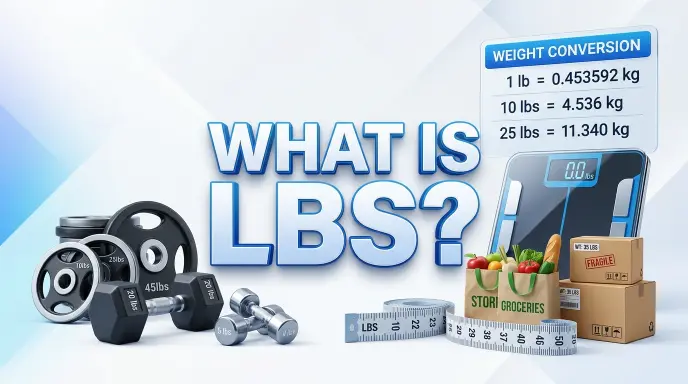
LBS is a common abbreviation that many people see every day, especially when shopping, checking body weight, reading fitness plans, or looking at shipping details. Even though it appears simple, many people wonder what LBS actually means and why it is used so often.
The term is widely used in daily life, online stores, gyms, health apps, social media discussions, and professional industries. If you are buying groceries, tracking your fitness progress, or calculating package weights, you will likely encounter LBS regularly.
Understanding the meaning of LBS can help you read measurements correctly and avoid confusion when comparing weight units. It is especially useful when dealing with products, travel baggage limits, exercise goals, and international measurements.
In this guide, you will learn what LBS means, where it comes from, how it is used, common misconceptions, and how it compares with other measurement units. By the end, you will have a clear understanding of this widely used abbreviation.
What Does LBS Mean?
Definition of LBS
LBS stands for pounds, a unit of weight used mainly in the United States and a few other countries. The abbreviation comes from the Latin word libra, which means scales or balance.
1 lb = 0.453592 kilograms (kg)
Although the abbreviation is lb for a single pound, lbs is commonly used for multiple pounds.
Simple Examples
- A bag of rice weighs 10 lbs.
- A person weighs 150 lbs.
- A package weighs 25 lbs.
- A dog weighs 40 lbs.
Why Is It Important?
LBS helps people measure:
- Body weight
- Food products
- Shipping packages
- Exercise equipment
- Luggage weight
Background and History of LBS
Origin of the Term
The abbreviation LBS comes from the Latin word libra pondo, which means a pound by weight. Ancient Romans used the libra as a standard unit for measuring weight.
Evolution Through History
Over time, different countries developed their own versions of the pound. Eventually, the modern pound became standardized for trade and commerce.
Modern Usage
Today, pounds are mainly used in:
- The United States
- Liberia
- Myanmar (in some contexts)
Many other countries prefer kilograms, but pounds remain popular worldwide due to American influence in media, fitness, sports, and online shopping.
Historical Example
In the past:
- Merchants weighed goods using pounds.
- Farmers sold crops by pounds.
- Traders used pounds to ensure fair exchanges.
Today, digital scales display weight instantly in lbs.
Usage of LBS in Various Contexts
LBS in Daily Life
People use lbs when discussing body weight and products.
Example:
Sarah: How much do you weigh now?
Emma: About 130 lbs.
LBS in Fitness
Fitness programs often track progress in pounds.
Example:
Trainer: How much weight have you lost?
Client: I’ve lost 15 lbs.
LBS in Shopping
Many products display weight in lbs.
Example:
A package of potatoes may be labeled:
5 lbs
LBS in Shipping
Shipping companies use pounds to calculate delivery costs.
Example:
Customer: How heavy is the package?
Clerk: It weighs 12 lbs.
LBS on Social Media
Fitness influencers often discuss weight changes in lbs.
Example Post:
I lost 20 lbs in six months
Common Misconceptions About LBS
LBS Is Not a Different Unit
Some people think lbs and pounds are different measurements.
Reality: They are exactly the same thing.
LBS Does Not Mean Kilograms
Another common misunderstanding is confusing lbs with kg.
Example:
- 100 lbs ≠ 100 kg
- 100 lbs = approximately 45.36 kg
Singular vs. Plural
People often wonder whether to write lb or lbs.
- 1 lb
- 2 lbs
- 10 lbs
Is LBS a Word?
No. LBS is simply an abbreviation used to represent pounds.
Similar Terms and Alternatives
Several weight measurements are used around the world.
| Term | Meaning | Common Usage |
| LBS | Pounds | USA |
| KG | Kilograms | Most countries |
| OZ | Ounces | Small weights |
| G | Grams | Food and science |
| Ton | Large weights | Industry |
Alternative Examples
- 10 lbs
- 4.5 kg
- 160 oz
All represent weight measurements but use different systems.
How to Respond When Someone Mentions LBS
Casual Response
Friend: I lost 8 lbs.
You: That’s awesome
Funny Response
Friend: I gained 5 lbs.
You: Looks like those pizza nights are working
Professional Response
Employee: The shipment weighs 50 lbs.
Manager: Thank you for confirming the weight.
Privacy-Conscious Response
Person: I weigh 180 lbs.
You: That’s personal information, but thanks for sharing.
Regional and Cultural Differences
United States
Pounds are the standard weight measurement.
Europe
Most countries use kilograms.
Canada
Canada uses kilograms officially but many people still understand pounds.
United Kingdom
Both pounds and kilograms are commonly used.
International Travel
Travelers often need to convert lbs to kg when flying internationally.
LBS vs Similar Weight Measurements
Comparison Table
| Measurement | Equivalent |
| 1 lb | 0.453592 kg |
| 5 lbs | 2.27 kg |
| 10 lbs | 4.54 kg |
| 50 lbs | 22.68 kg |
| 100 lbs | 45.36 kg |
Key Difference
- LBS belongs to the Imperial system.
- KG belongs to the Metric system.
LBS in Online Communities and Apps
Fitness Communities
Weight-loss groups often discuss progress in lbs.
Example Post:
Down 30 lbs this year
Health Apps
Many fitness apps allow users to track weight in lbs.
Social Media
Influencers frequently use lbs when sharing transformations.
Online Shopping
Product descriptions often list weight in lbs.
Gaming Communities
While not common in gameplay, lbs may appear in simulation games that track item weights.
Hidden or Offensive Meanings of LBS
Does LBS Have Another Meaning?
In most situations, LBS simply means pounds.
However, in some industries it may stand for:
- Location-Based Services
- Library Services
- Learning and Behavioral Support
Is LBS Offensive?
No. LBS is not generally considered offensive.
Why Context Matters
The meaning depends on where it is used.
Example:
- Fitness discussion → Pounds
- Technology discussion → Location-Based Services
Always consider the surrounding conversation.
Is LBS Suitable for Professional Communication?
Professional Use
Yes. LBS is commonly used in:
- Logistics
- Shipping
- Manufacturing
- Retail
- Healthcare
Examples
- Product weight: 15 lbs
- Package weight: 25 lbs
- Equipment weight: 100 lbs
Professional Alternatives
Depending on the audience, professionals may use:
- Kilograms (kg)
- Grams (g)
- Metric tons
Best Practice
Use the measurement system most familiar to your audience.
Frequently Asked Questions:
1. What does LBS stand for?
LBS stands for pounds, a unit of weight measurement.
2. Why is pounds abbreviated as lb?
It comes from the Latin word libra.
3. Is lbs the same as kg?
No. Pounds and kilograms are different units.
4. How many kilograms are in 1 lb?
1 lb equals approximately 0.453592 kg.
5. Is lbs used worldwide?
No. Most countries use kilograms, but pounds remain popular in several regions.
6. Is it lb or lbs?
Use lb for one pound and lbs for multiple pounds.
7. Can LBS have other meanings?
Yes. In some industries, it can mean Location-Based Services or other specialized terms.
Conclusion:
LBS is the abbreviation for pounds, a widely used unit of weight measurement. It comes from the Latin word libra and has been used for centuries in trade, commerce, and everyday life. Today, you will see lbs on product labels, shipping packages, fitness programs, luggage restrictions, and health apps.
Although many countries now use kilograms as their primary measurement unit, pounds remain extremely common, especially in the United States. Understanding what lbs means helps you interpret weights accurately, compare measurements, and communicate more effectively in personal and professional situations.
If you encounter lbs while shopping, exercising, traveling, or browsing social media, knowing its meaning removes confusion and makes weight measurements easier to understand. The key takeaway is simple: LBS means pounds, and it remains one of the most recognized weight units in the world.

I am Jonathan Parker, creator of Texttak.com, where simple words create real impact. I focus on clear, trendy, and engaging content that connects with today’s audience.